
 Image 1 of 4
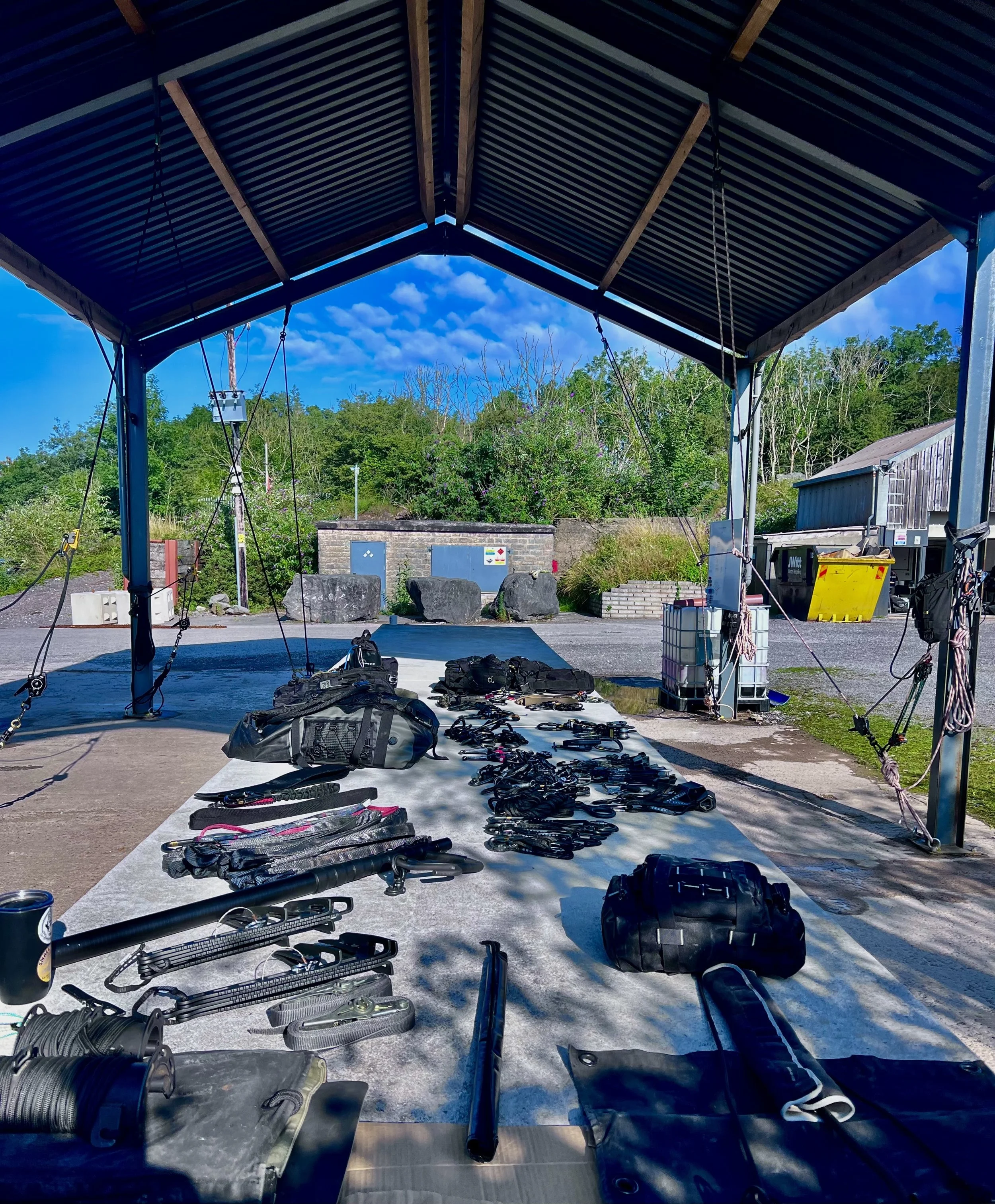 Image 2 of 4
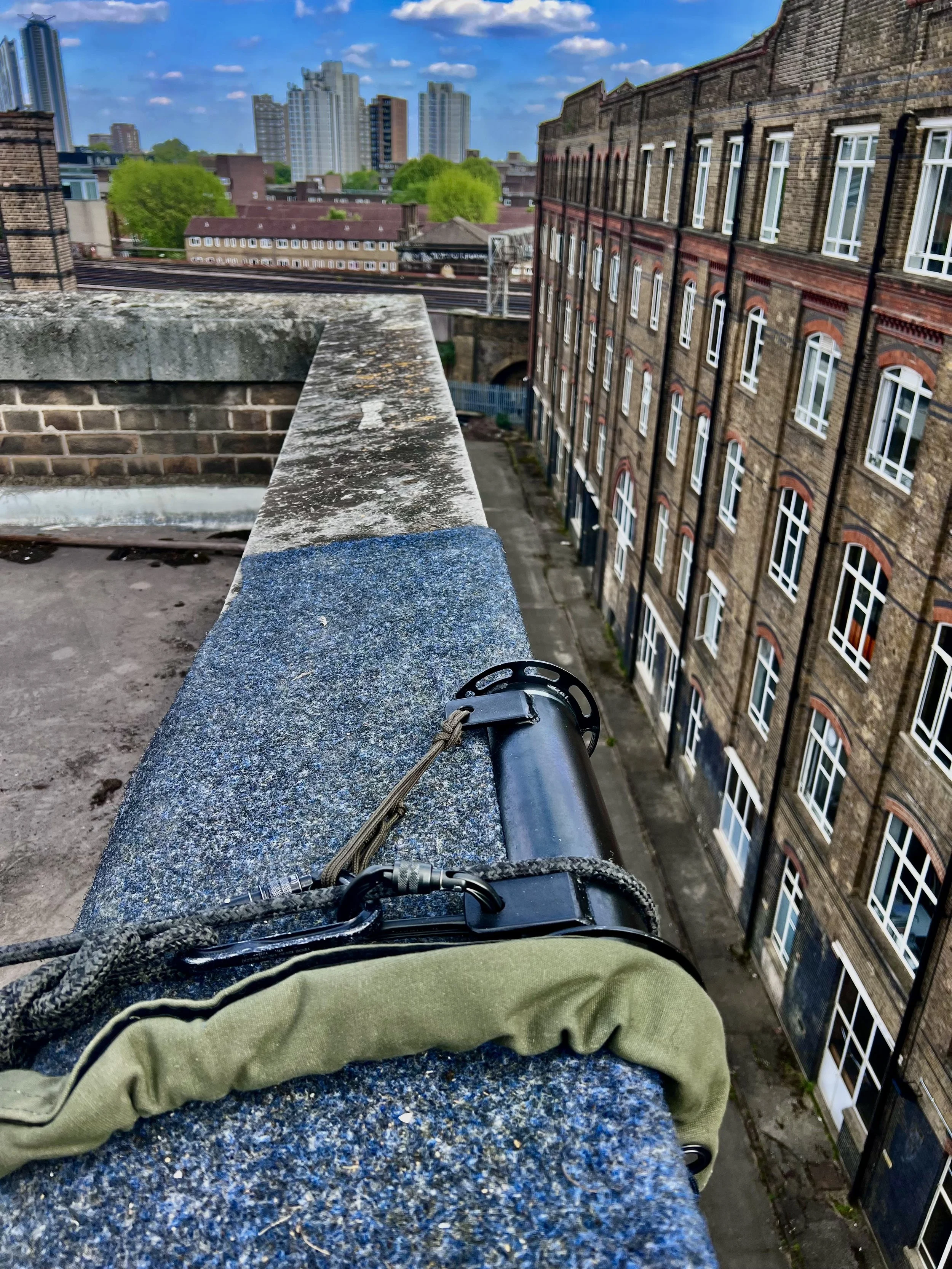 Image 3 of 4
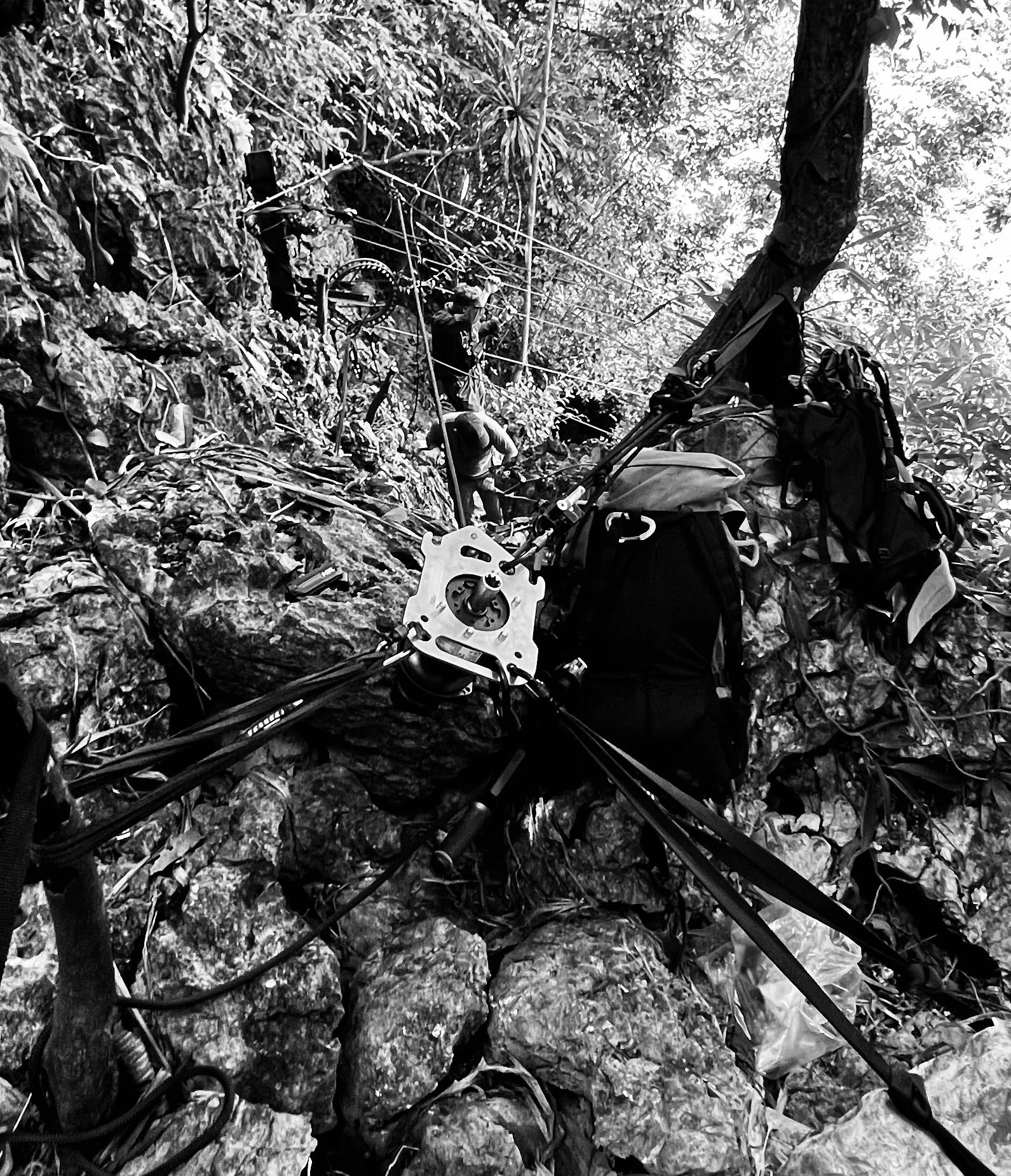 Image 4 of 4
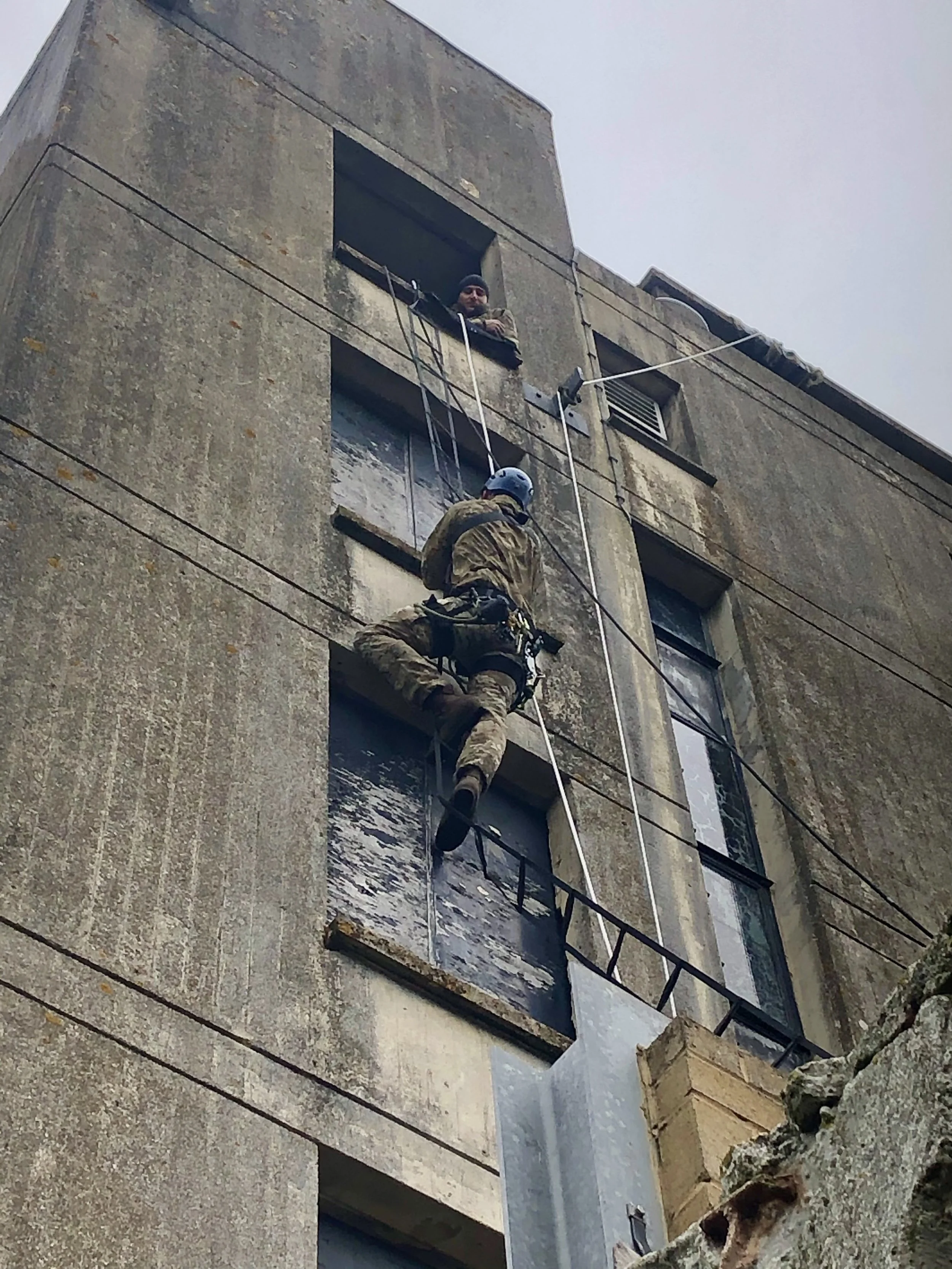
The five-day Tactical Rope Operator course is for members of tactical teams who need to operate at height using rope systems. It focuses on the rope work element of tactical operations, rather than the wider operation, and is designed for tactical, government, law enforcement and military personnel.
More advanced techniques are covered on the Tactical Rope Technician (TRT) and Tactical Rope Specialist (TRS) courses.
5 days (30 hours)
None
Rescue 3 philosophy, tactical training standards and legislation
Medical considerations, casualty care and packaging
Personal, technical and team equipment
Pre-planning, risk assessment, incident size-up, and command and control
Team roles and night or poor visibility operations
Rope system design, system safety checks, and loads and forces
Working at height around uncooperative subjects
Knots, anchor systems, rope protection, work restraint and fall arrest
Mechanical advantage and team-based raising and lowering systems
Personal ascending and descending, including climbing over a 90 degree edge
Climbing with lanyards on in-situ ladders
Team-based pick-offs, fixed high directionals and retrievable systems
Where used by your agency: temporary artificial anchors, easel leg tripods, passing obstructions, climbing with a hook and pole, ascending structures with fixed anchor points, and individual pick-offs during access
Foundation knowledge
Personal ascending and descending
Mechanical advantage
3 years
The five-day Tactical Rope Operator course is for members of tactical teams who need to operate at height using rope systems. It focuses on the rope work element of tactical operations, rather than the wider operation, and is designed for tactical, government, law enforcement and military personnel.
More advanced techniques are covered on the Tactical Rope Technician (TRT) and Tactical Rope Specialist (TRS) courses.
5 days (30 hours)
None
Rescue 3 philosophy, tactical training standards and legislation
Medical considerations, casualty care and packaging
Personal, technical and team equipment
Pre-planning, risk assessment, incident size-up, and command and control
Team roles and night or poor visibility operations
Rope system design, system safety checks, and loads and forces
Working at height around uncooperative subjects
Knots, anchor systems, rope protection, work restraint and fall arrest
Mechanical advantage and team-based raising and lowering systems
Personal ascending and descending, including climbing over a 90 degree edge
Climbing with lanyards on in-situ ladders
Team-based pick-offs, fixed high directionals and retrievable systems
Where used by your agency: temporary artificial anchors, easel leg tripods, passing obstructions, climbing with a hook and pole, ascending structures with fixed anchor points, and individual pick-offs during access
Foundation knowledge
Personal ascending and descending
Mechanical advantage
3 years