
 Image 1 of 4
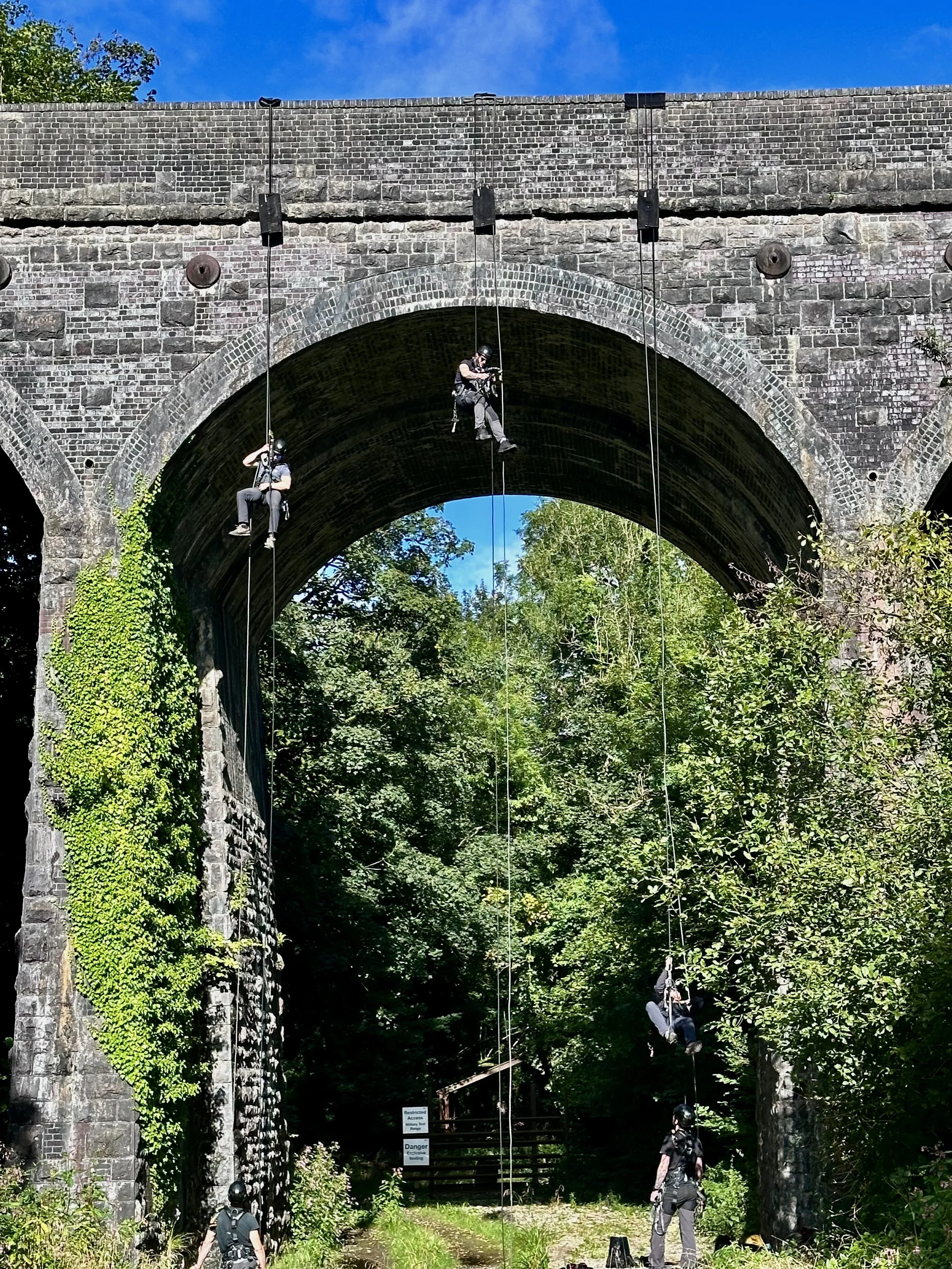 Image 2 of 4
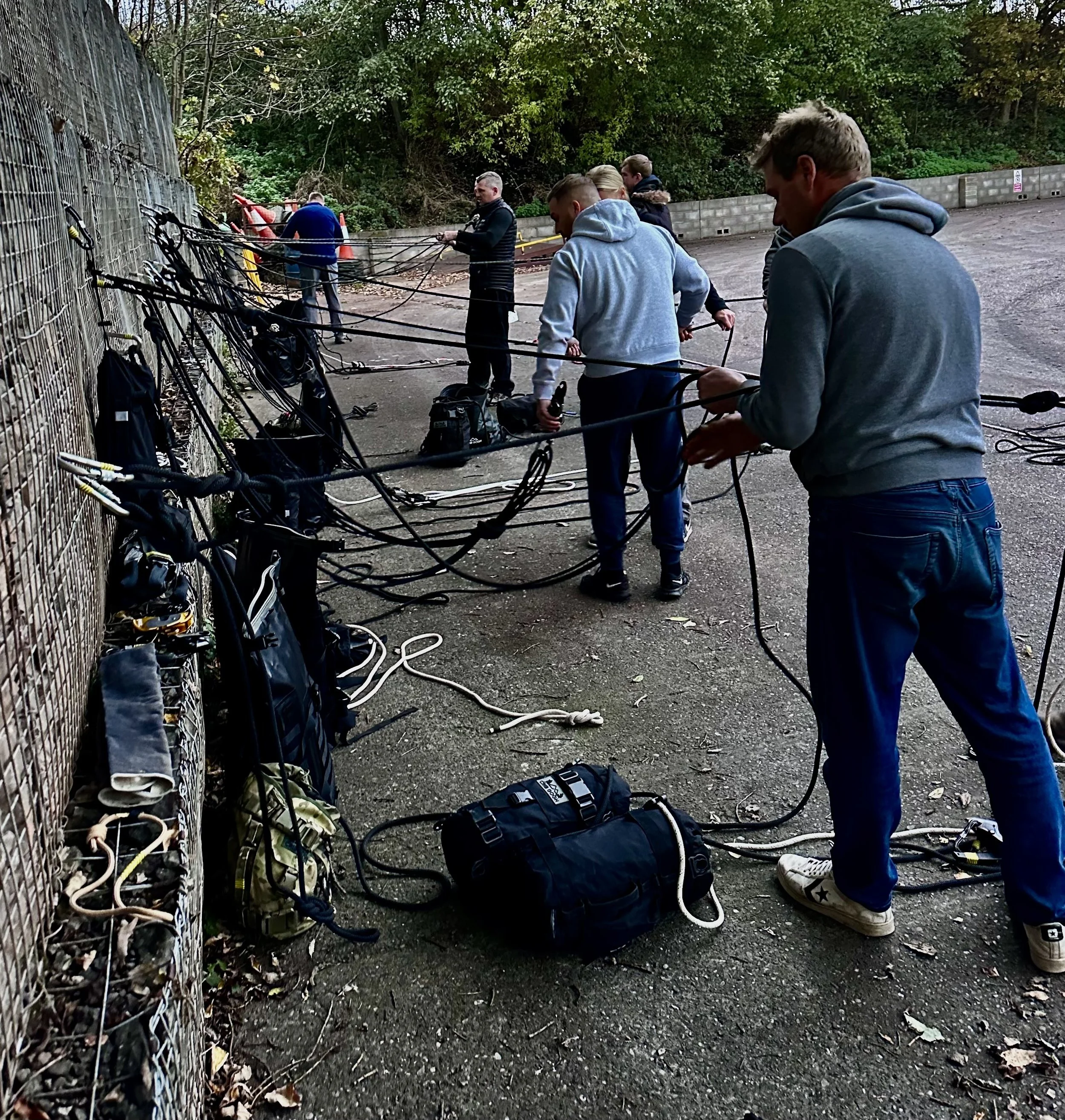 Image 3 of 4
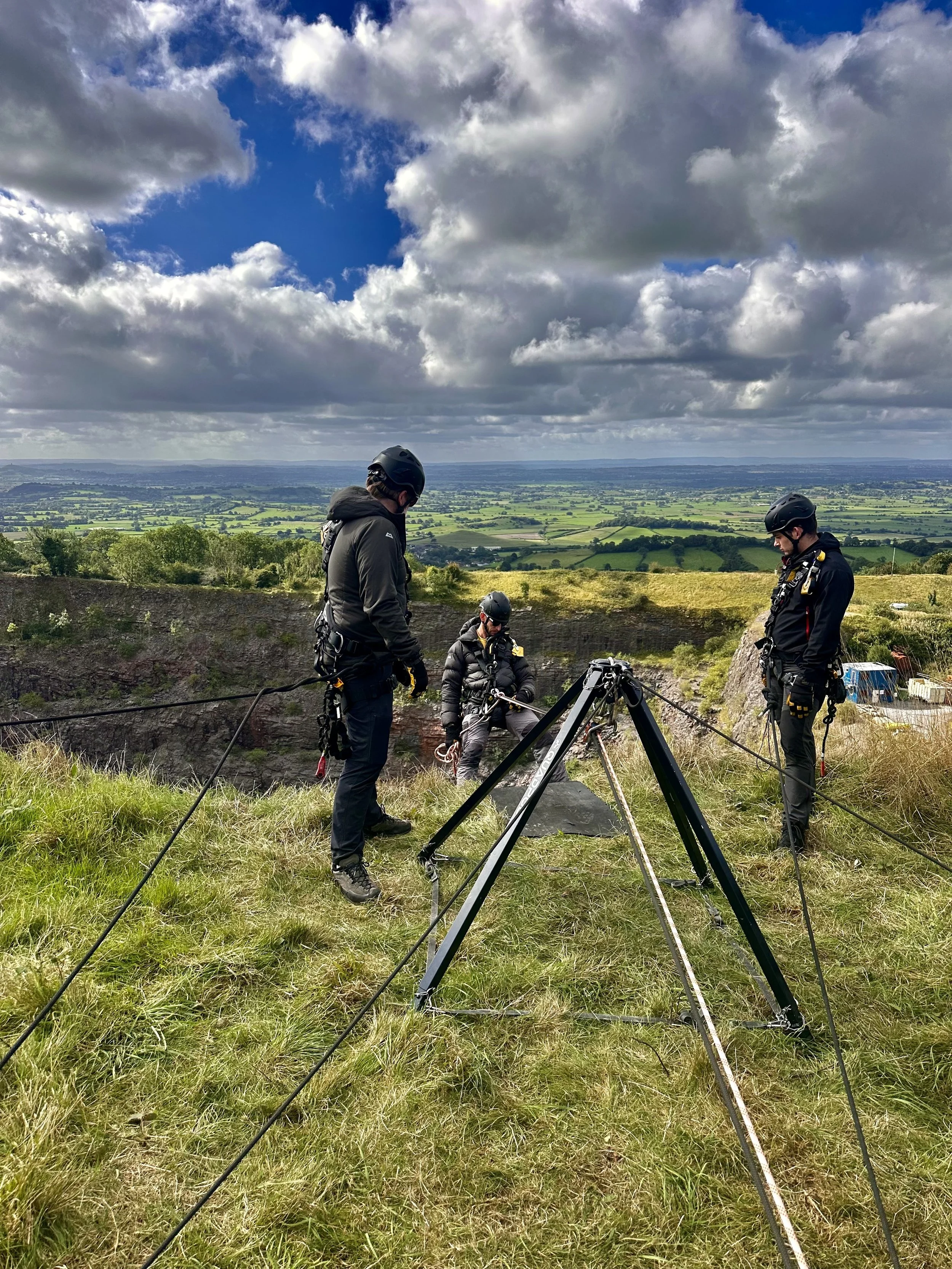 Image 4 of 4
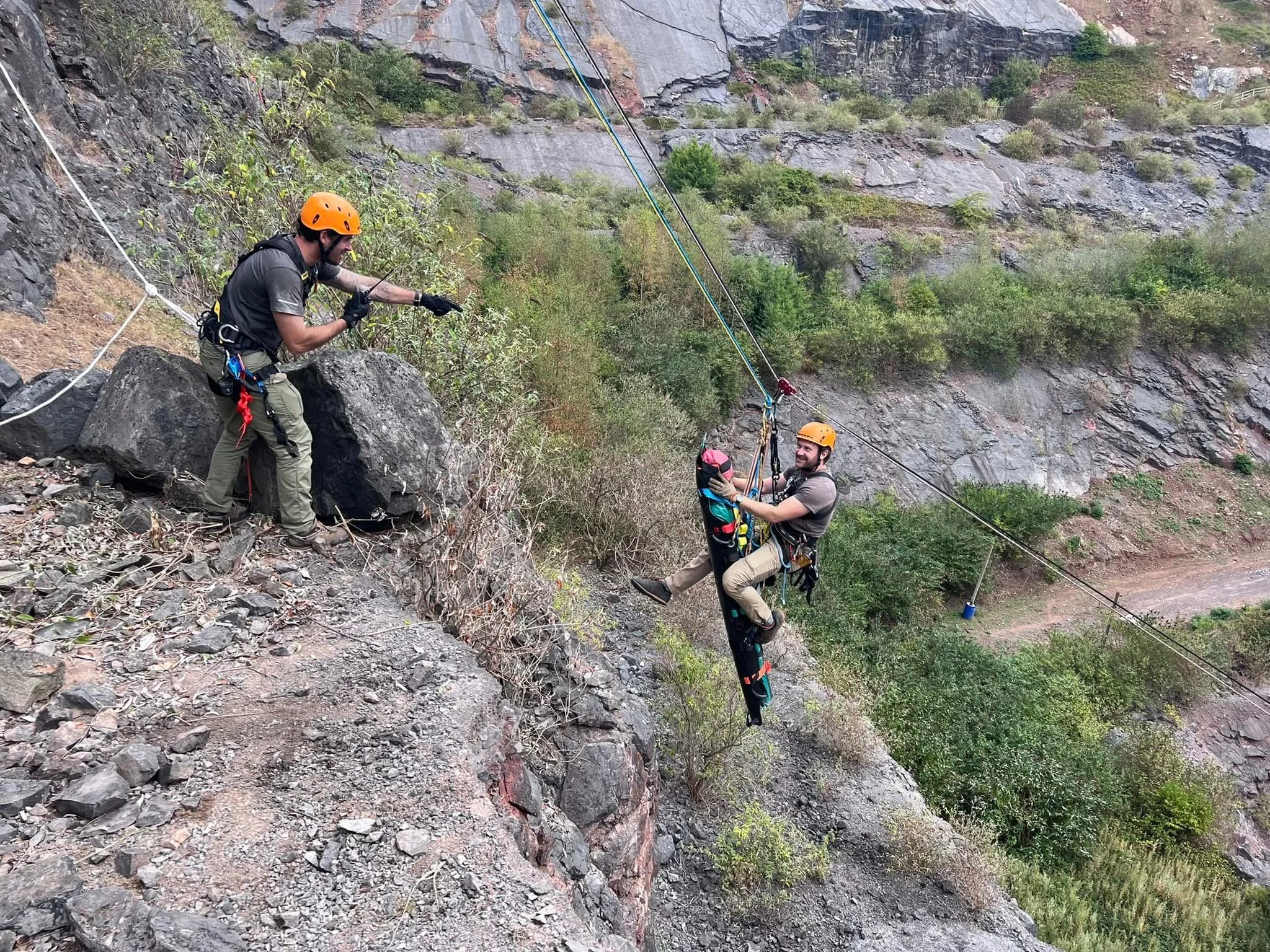
The Rope Rescue Operator course is over five days and teaches the rope knowledge and skills required by personnel to operate safely and effectively as a member of a Rope Rescue Operator team. Rescuers will be taught a range of core rescue techniques to operate safely. Techniques covered on the course include safe working at height, work restraint, fall arrest, casualty care and packaging, team-based pick-offs, and team-based raising and lowering systems, amongst others.
More advanced rescues, complexities and variations, are covered on the Rope Rescue Technician (RRT) and Rope Rescue Specialist (RRS) courses.
5 days
Prior experience of working with ropes is recommended
Minimum age: 18
Rescue 3 philosophy
Training standards and legislation
Medical considerations
Personal equipment
Technical and team equipment
Introduction to pre-plans
Risk assessments
Incident management and site control
Team roles
Considerations for night/poor visibility operations
Rope system design criteria
System safety checks
Loads and forces
Arrival on scene/incident size-up
Command and control of a rescue system
Knots
Anchor systems
Rope protection
Work restraint
Fall arrest
Introduction to horizontal lifelines
Mechanical advantage
Casualty care and packaging
Personal ascending and descending
Climbing over a 90 degree edge in ascent and descent
Team-based pick-offs
Fixed high directionals
Team-based raising and lowering systems
Tagline offsets
Low and moderate angle stretcher transport
Climbing with lanyards (if used by agency)
Temporary artificial anchor points (if used by agency)
Connecting a casualty on a line using a telescopic pole (if used by agency)
Lifting and lowering a casualty using a pre-installed device (if used by agency)
Artificial frames – easel leg tripods (if used by agency)
Rescue 3 Europe course standards, learning outcomes and key teaching points
The course standards, learning outcomes and key teaching points are provided as pre- and post-course reference for people involved in the delivery of Rescue 3 courses (eg Rescue 3 training providers, instructors and students). They are not to be used for any other purpose without the express written permission of Rescue 3 Europe.
3 years
The Rope Rescue Operator course is over five days and teaches the rope knowledge and skills required by personnel to operate safely and effectively as a member of a Rope Rescue Operator team. Rescuers will be taught a range of core rescue techniques to operate safely. Techniques covered on the course include safe working at height, work restraint, fall arrest, casualty care and packaging, team-based pick-offs, and team-based raising and lowering systems, amongst others.
More advanced rescues, complexities and variations, are covered on the Rope Rescue Technician (RRT) and Rope Rescue Specialist (RRS) courses.
5 days
Prior experience of working with ropes is recommended
Minimum age: 18
Rescue 3 philosophy
Training standards and legislation
Medical considerations
Personal equipment
Technical and team equipment
Introduction to pre-plans
Risk assessments
Incident management and site control
Team roles
Considerations for night/poor visibility operations
Rope system design criteria
System safety checks
Loads and forces
Arrival on scene/incident size-up
Command and control of a rescue system
Knots
Anchor systems
Rope protection
Work restraint
Fall arrest
Introduction to horizontal lifelines
Mechanical advantage
Casualty care and packaging
Personal ascending and descending
Climbing over a 90 degree edge in ascent and descent
Team-based pick-offs
Fixed high directionals
Team-based raising and lowering systems
Tagline offsets
Low and moderate angle stretcher transport
Climbing with lanyards (if used by agency)
Temporary artificial anchor points (if used by agency)
Connecting a casualty on a line using a telescopic pole (if used by agency)
Lifting and lowering a casualty using a pre-installed device (if used by agency)
Artificial frames – easel leg tripods (if used by agency)
Rescue 3 Europe course standards, learning outcomes and key teaching points
The course standards, learning outcomes and key teaching points are provided as pre- and post-course reference for people involved in the delivery of Rescue 3 courses (eg Rescue 3 training providers, instructors and students). They are not to be used for any other purpose without the express written permission of Rescue 3 Europe.
3 years